Featured
Table of Contents
- – What Financial Debt Forgiveness Actually Implies
- – The Essential Difference In Between Nonprofit ...
- – Personal Bankruptcy Counseling: Understanding ...
- – Comparing Your Financial Obligation Alleviatio...
- – Indication of Financial Debt Alleviation Scams
- – Making an Informed Choice
- – Taking the Primary Step
When bank card balances spiral beyond control and monthly minimal payments barely scrape the surface area of what you owe, the weight of economic stress can feel excruciating. With American consumers currently holding over $1.21 trillion in credit score card financial obligation jointly, finding genuine debt relief has actually never been more crucial. Nearly half of cardholders bring a balance from month to month, and the section falling back on minimal settlements has actually increased to 12.3% in recent information.
For those seeking a pathway out of overwhelming financial debt, comprehending the difference in between debt forgiveness, bankruptcy counseling, and financial obligation administration can indicate the difference between monetary healing and deeper trouble.
What Financial Debt Forgiveness Actually Implies
Debt forgiveness refers to the process of bargaining with creditors to lower the total quantity owed, allowing customers to settle their financial obligations for less than the original balance. Unlike financial obligation loan consolidation, which integrates several financial debts right into a single settlement, or financial debt administration intends that restructure payment timetables, debt forgiveness programs proactively work to eliminate parts of your outstanding balances.
When a bank card account goes unsettled for 120 days or more, financial institutions commonly bill off the financial debt and may accept reduced negotiations to recover at the very least a section of what they're owed. Negotiations typically vary from 30% to 50% of the initial balance, though results vary based upon the creditor, account age, and individual situations. Most debt forgiveness programs extend 2 to four years, needing clients to develop funds in dedicated accounts while negotiators collaborate with financial institutions.
It's worth keeping in mind that forgiven financial debt over $600 is normally taken into consideration taxed income by the IRS. Anyone taking into consideration debt settlement must speak with a tax obligation professional to comprehend the implications prior to continuing.
The Essential Difference In Between Nonprofit and For-Profit Services
The Consumer Financial Security Bureau cautions that managing for-profit financial debt settlement firms can be risky. These firms normally bill costs varying from 15% to 25% of registered financial debt and frequently urge customers to quit paying completely while negotiations proceed. This strategy can lead to installing late costs, fine interest fees, harmed credit rating, and also claims from financial institutions.
Not-for-profit credit history counseling firms operate under different standards. Organizations approved by the U.S. Department of Justice as 501(c)(3) nonprofits focus on client welfare as opposed to profit margins. Their credit rating therapy sessions are usually used absolutely free, and financial obligation monitoring program fees are covered at $79 regular monthly nationwide under federal policies.
The National Structure for Credit History Counseling (NFCC), founded in 1951, represents the gold criterion for not-for-profit economic counseling. NFCC member agencies need to fulfill rigorous ethical criteria, with therapists called for to recertify every 2 years. Study carried out by Ohio State University found that NFCC credit score counseling clients minimized their rotating debt by $3,600 greater than contrast groups over 18 months complying with therapy, with 70% reporting boosted economic self-confidence.
Personal Bankruptcy Counseling: Understanding Your Lawful Requirements
For people whose monetary circumstances have actually worn away past what financial obligation forgiveness or monitoring programs can address, insolvency may come to be needed. Federal legislation calls for any person declare Chapter 7 or Phase 13 personal bankruptcy to complete both pre-filing debt counseling and post-filing debtor education and learning programs via an approved company.
Pre-bankruptcy therapy involves a detailed evaluation of revenue, financial obligations, and costs, in addition to exploration of options to bankruptcy. The session helps filers recognize whether bankruptcy really represents their ideal option or whether other debt alleviation methods may function. Post-filing debtor education and learning concentrates on budgeting, saving, and restoring credit after personal bankruptcy discharge.
Both sessions generally take 60 to 90 mins. Fees differ by company yet generally range from $20 to $50 per training course, with fee waivers available for those who certify based on earnings. Upon conclusion, filers get certifications needed for their personal bankruptcy applications.

Nonprofit agencies like APFSC deal these required bankruptcy therapy courses along with their other financial debt relief services, offering a structured experience for those browsing the bankruptcy procedure.
Comparing Your Financial Obligation Alleviation Options
Comprehending which come close to fits your scenario calls for sincere analysis of your economic conditions.
Debt management intends work best for those who can still make consistent payments but need aid minimizing rate of interest and organizing several financial obligations into solitary regular monthly settlements. These programs commonly extend three to 5 years and pay debts in full, simply with better terms. Credit rating frequently boost over time as balances decrease.
Debt settlement or forgiveness programs suit those with larger financial obligation lots, typically $7,500 or more, that have already dropped behind on settlements and can not realistically pay equilibriums completely. These programs negotiate minimized paybacks however carry credit history consequences and tax obligation ramifications.
Insolvency offers one of the most remarkable relief but additionally one of the most substantial lasting credit report impact. Chapter 7 sells off possessions to release financial obligations, while Chapter 13 creates structured repayment strategies over three to five years. Bankruptcy remains on credit score records for 7 to ten years.
Credit counseling alone, without enrollment in a particular program, helps those that require budgeting advice and monetary education to stop future financial obligation troubles. These sessions are typically cost-free via not-for-profit firms.
Indication of Financial Debt Alleviation Scams
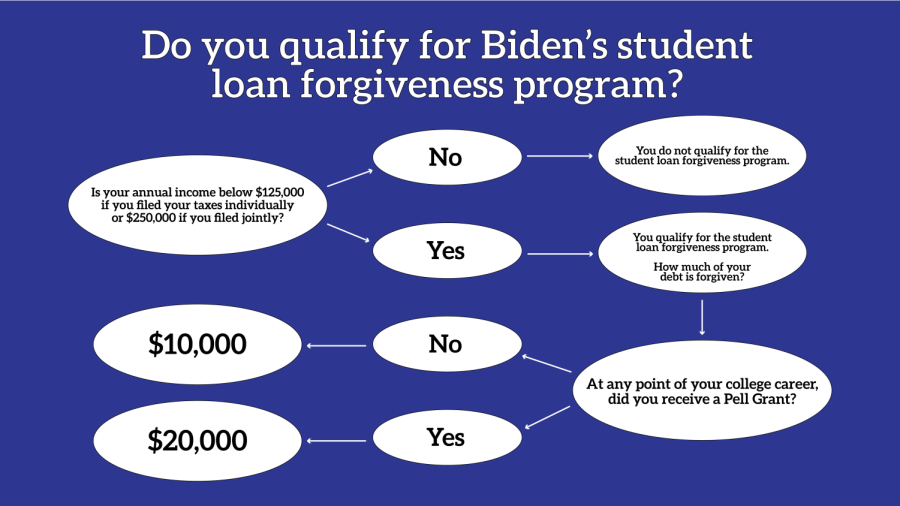
Customers must be especially wary of companies claiming to provide government-sponsored bank card debt forgiveness programs. No such government programs exist for credit scores card financial debt, unlike the forgiveness alternatives readily available for federal pupil lendings. Any kind of ads suggesting or else are likely frauds.
Other red flags consist of business that require big ahead of time costs before offering solutions, warranty specific settlement percentages, tell you to quit connecting with financial institutions entirely, or refuse to clarify their charge structure plainly. Reputable not-for-profit agencies give clear info regarding costs, timelines, and practical outcomes.
The CFPB recommends thinking about all choices prior to involving any type of financial debt relief service, consisting of bargaining straight with creditors on your own and talking to nonprofit credit score therapists who can offer impartial assessments of your scenario.
Making an Informed Choice
Choosing the right debt alleviation path depends upon individual scenarios, complete financial obligation quantity, earnings security, and capacity to make consistent repayments. Free first appointments from nonprofit debt counseling agencies aid potential clients recognize their options without high-pressure sales tactics.
Throughout these sessions, certified therapists analyze monetary scenarios, explain available programs, and develop personalized referrals. Whether someone eventually chooses financial obligation forgiveness, debt management, bankruptcy, or self-directed settlement, starting with nonprofit advice ensures they obtain advice focused on their economic wellness.
Sector leaders like Cash Management International, GreenPath Financial Health, InCharge Financial Obligation Solutions, and APFSC all supply comprehensive solutions covering credit score therapy, debt monitoring, and personal bankruptcy education. Most use numerous contact approaches including phone, on the internet chat, and email, making it easy to begin the discussion.
Taking the Primary Step
Financial recovery rarely happens over night. Financial obligation monitoring strategies generally extend three to five years, and debt settlement programs frequently need 24 to 48 months of organized financial savings and negotiations. Nevertheless, the alternative of proceeding to battle with uncontrollable financial debt while rate of interest compounds supplies no path forward.
For anyone sinking in charge card debt, medical expenses, or individual fundings, connecting to a not-for-profit credit rating counseling agency represents an essential very first step. The appointment costs absolutely nothing, lugs no commitment, and supplies clarity about realistic choices. From there, informed decisions end up being possible.
Integrating Financial Wellness into Everyday Life: A Path to Peace and Prosperity : APFSCThe trip from frustrating financial obligation to economic security needs dedication, perseverance, and expert support. With support from relied on nonprofit firms and a clear understanding of readily available programs, that trip comes to be attainable.

Table of Contents
- – What Financial Debt Forgiveness Actually Implies
- – The Essential Difference In Between Nonprofit ...
- – Personal Bankruptcy Counseling: Understanding ...
- – Comparing Your Financial Obligation Alleviatio...
- – Indication of Financial Debt Alleviation Scams
- – Making an Informed Choice
- – Taking the Primary Step
Latest Posts
Knowing Your Protections in Bankruptcy Proceedings - Truths
Not known Details About Initial Consultation and What to Expect
Our How Tech Is Making Financial Help Easier PDFs
More
Latest Posts
Knowing Your Protections in Bankruptcy Proceedings - Truths
Not known Details About Initial Consultation and What to Expect
Our How Tech Is Making Financial Help Easier PDFs